Table of Contents
Rat cake might make you pause—what now? Whether you’re deep in Pu-erh tea forums or plotting the strangest birthday centerpiece, you’re not alone. I landed here somewhere between an amazing guide to strawberry cake (yum) and craving more brown sugar banana pancakes. By the end, you’ll know what rat cake is, why people love it, and maybe find your next quirky kitchen project.
History and Cultural Significance of Rat King Cakes
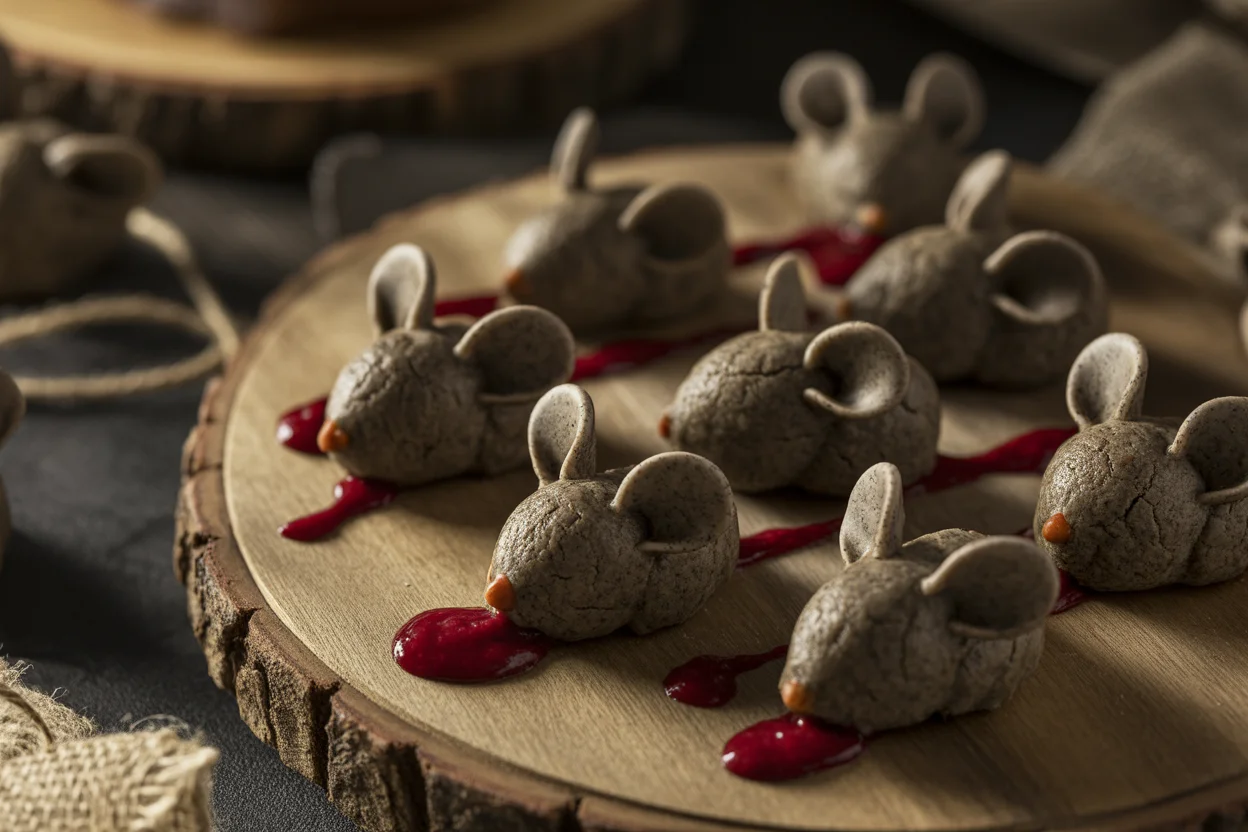
When you first hear about rat king cakes, you might raise an eyebrow. I sure did! But here’s the thing—these cakes are rooted in serious tea tradition, especially in China’s Yunnan province. People have been pressing aged Pu-erh tea leaves into “cakes” for centuries. And sometimes, a really big, chunky tea cake will have little clusters poking out (these are the so-called “rat kings”—it’s more whimsical than gross, I promise).
There’s real culture here. Sharing a slice of rat king cake at gatherings connects you to generations of tea drinkers. Many say the bigger and wilder the cake, the luckier the year—honestly, not a bad superstition. The tea is prized for its deep, earthy flavor and improves with age; rare versions are collected like vintage wine. Makes my dusty coffee stash look weak!
“I never got the fuss about rat king cakes till my uncle brought one from Yunnan. We brewed a pot, and suddenly the whole room smelled like an enchanted forest—can’t describe it better. It’s become the centerpiece for our New Year table ever since.” — Gina, longtime tea geek
Production Process of Pu-erh Tea Cakes
Okay, let’s talk about how these unusual tea cakes are born. It’s not just squished leaves and good intentions. Producers start by harvesting large-leaf tea, usually from mountains. They’re picked by hand (yep, still), then lightly wilted to soften things up.
Next, they’re pan-fried—sort of like you heat spinach on a skillet to get the harshness out. It keeps the leaves green and fresh, believe it or not. After that, the leaves get rolled and shaped, which brings out the lovely juice inside.
Here’s where it really turns old-school: the leaves are steamed and pressed into discs, sometimes the size of a dinner plate. If there’s a cluster of stems or a misshapen lump, tea folks call it a “rat king” cake. These pressings age anywhere from a few months to several years—some connoisseurs swear by the decades-old stuff. It’s simple, but not. Basically, every cake has its own personality.
Flavor Profile and Tasting Notes
If you haven’t tried a rat king cake before, you’re in for a surprise. Its flavor isn’t like your average green tea bag. When you finally break off a chunk and brew it, the taste is deep—think forest floor after rain, old wood, a moody herbal kick. Some cakes even surprise you with a bit of dried fruit or a gentle smokiness.
But, every batch is different. Some have a mellow, calming sweetness, while others kind of wake you up with their strength. And old cakes get more interesting, picking up richer, earthier notes as they age. The best part, honestly, is that first sniff from the wrapper—feels almost meditative.
How to Brew Rat King Cakes
Maybe you’re itching to try brewing your own. Good news: you don’t need fancy equipment, just patience. First, break off a small chunk—about the size of two sugar cubes.
Toss it in a teapot. Pour freshly boiled water over it. Let it steep for maybe 10 seconds at first (yep, that short), then pour out and discard that water. This “awakens” the leaves and gets rid of dust. Do a second brew—this time, let it steep about 15-25 seconds. Sip! You can re-steep those leaves several times. Each round tastes a bit different. It’s like having a party in your cup, on repeat.
If you want to make the occasion extra wild, turn your rat cake session into a tea party with slices of blueberry buckle coffee cake or maybe some cakes, sweets, and drinks to match the rich, earthy vibe.
Health Benefits of Pu-erh Tea
People say Pu-erh tea from rat cake packs a punch in the wellness department. Now, I’m not a doctor—just a snack enthusiast—but there are some trusted perks:
- Good for digestion, especially after a big meal. Feels like a tune-up in a mug.
- Can help lower cholesterol if you drink it often enough.
- Loaded with antioxidants (tea’s secret weapon), which might help your body fight the stuff life throws at it.
- Gentle energy kick. No wild coffee jitters!
Drinking rat cake Pu-erh regularly, especially after heavy or greasy foods, just feels balancing. Sometimes after I go nuts on cake for breakfast, I brew a cup and it’s like I’ve pressed reset on my day.
| Health Benefit | Description |
|---|---|
| Aids Digestion | Pu-erh tea can help with digestion, especially after heavy meals, making you feel lighter. |
| Lowers Cholesterol | Regular consumption may assist in lowering cholesterol levels over time. |
| Rich in Antioxidants | Packed with antioxidants, Pu-erh tea can help combat oxidative stress in the body. |
| Gentle Energy Boost | Offers a mild energy lift without the jitters associated with coffee. |
Common Questions
Is rat cake made from rats?
Nope! Despite the wild name, it’s all about pressed Pu-erh tea leaves. No rats, no weird animal stuff.
Can I eat a rat king cake?
Eat, as in chew? Actually, it’s meant for brewing tea. Break off a chunk, steep it, and enjoy as a drink.
What gives each rat cake a different taste?
A bunch of things—where the tea grew, how long it aged, even the weather during harvest. Plus, every “rat king” cluster brings a unique flavor spin.
Do I need special tools to break a rat cake?
Not really. Some folks use a Pu-erh knife, but a clean butter knife or even just hands (carefully) works for most home drinkers.
Where can I find rat king cakes?
Specialty tea shops, Asian grocery stores, or online. Be sure to check the seller’s reviews—fake cakes are a thing!
Ready to Embrace the Rat Cake Vibe?
Wrapping up: rat cake isn’t typical, but it can spice up any tea adventure—quirky culture, earthy flavor, and a great conversation starter. For ideas, browse trust the process rat cake : r/Baking, check quirky items like Just One Bite II 16 oz. Rodent Rat Bait Cake Blocks, or go bold with a Coolest Rat Birthday Cake. DIY-minded? See Rat infestation solution using baking soda and cake mix, and explore Rat King Cakes – Ghoul at Heart. Give it a try—you might start a new table tradition.
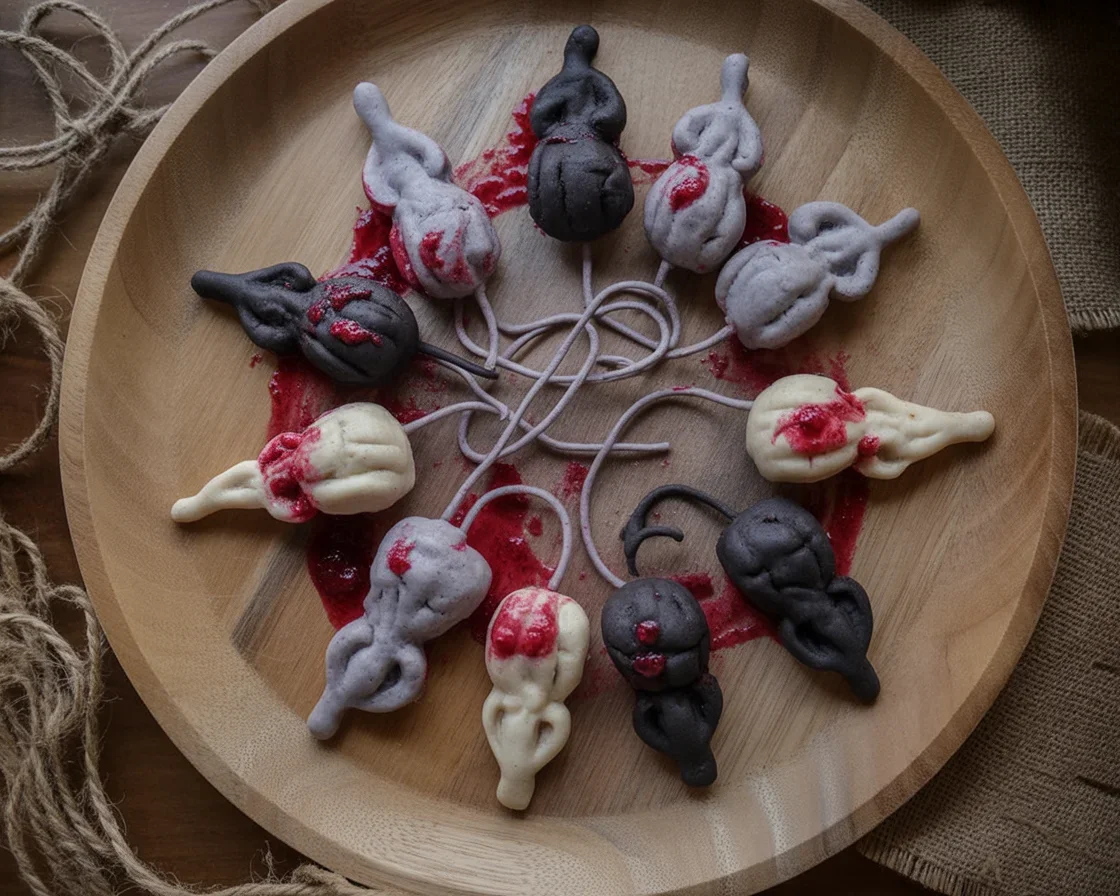

Rat King Cake
Ingredients
Method
- Break off a small chunk of the rat king cake, about the size of two sugar cubes.
- Place the chunk in a teapot.
- Pour freshly boiled water over the cake and let it steep for 10 seconds.
- Discard the first brew to awaken the leaves and remove dust.
- Brew a second batch, letting it steep for 15-25 seconds for the best flavor.
- Re-steep the same leaves several times, enjoying different flavors with each brew.