Table of Contents
The way the kitchen transforms when you make beef tallow at home. I’ll never forget the first time I experimented with this ancient tradition. The rich aroma of melting fat filled my home, wrapping me in a warm, cozy embrace, almost like a soft blanket on a chilly evening. I was transported back to my childhood, remembering the comforting meals my grandmother would create. As the beef fat slowly rendered down in my slow cooker, I found myself fascinated by the process. With each softening chunk, I imagined all the delicious dishes I could enhance with this luscious ingredient.
Tallow isn’t just practical; it’s deeply satisfying! Once you whip up your own batch, you’ll understand why it’s loved by cooks everywhere. From frying potatoes to baking pastries, tallow adds a depth of flavor that instantly elevates any dish. Let me guide you through creating this wonderful cooking fat at home!
Why You’ll Love This Recipe
- Simple & Easy: Just a few ingredients and a slow cooker mean minimal fuss in the kitchen.
- Rich Flavor: There’s nothing like the deep, savory taste that homemade tallow brings to your cooking.
- Versatile Use: Perfect for frying, roasting, or as a base for delicious sauces.
- Healthier Choice: Tallow is stable at high temperatures, making it a great alternative to vegetable oils.
- Chefs’ Secret: Be in the know; many gourmet chefs are returning to traditional fats like tallow for their cooking!
Ingredients
- 5 lbs beef fat (beef suet): Aim for high-quality beef fat from a trusted butcher. This is the star performer in your recipe!
- 1 cup water: This little addition helps create steam for rendering, ensuring your tallow turns out silky smooth.
- 1 fine mesh strainer: Essential for separating the clear tallow from the solid bits. A must-have for a tidy finish!
Full recipe card is below.
How to Make It
Step 1: Prepare the Fat
If your beef fat is frozen, thaw it for about 30 minutes. It will soften just enough for the next steps. Once thawed, grab a chef’s knife, and start cutting the fat into 1-inch pieces. Don’t worry about perfection here! Rough chunks are just fine, and they’ll render nicely.
Step 2: Combine in the Slow Cooker
Add the beef fat and 1 cup of water to your trusty slow cooker. Put the lid on, turn it to high heat, and let the magic happen! As this simmers away, your kitchen will start to fill with a savory aroma. If it gets too intense for your cozy space, you might want to switch to a garage or outdoor setup!
Step 3: Puree for Extra Yield (Optional)
After about 30 to 60 minutes, check on your beef fat. The chunks should be getting warm and soft enough to pulse with a hand blender. While this step is optional, puréeing helps maximize the yield of your tallow and cuts down on cooking time too! Just a heads-up — it might make a bit of a mess, so keep a toothpick or thin scissors handy for cleaning the blades!
Step 4: Stir Occasionally
Give that fat a gentle stir occasionally, ensuring it doesn’t stick to the edges of the pot. The delightful sizzle and the gradually changing color will make you giddy with anticipation!
Step 5: Check the Fat
After about 2.5 hours, peek at your mixture. You should see steady bubbling. Keep stirring to avoid any sticking. If that happens, lower the heat to low!
Step 6: Know When It’s Done
When the fat appears clear with small bubbles popping on the surface — in about 5 hours — you’re ready! Carefully strain the fat through your fine mesh strainer. You might see some residue, and although a coffee filter could work, it takes ages, so save time with a cheesecloth if need be!
Step 7: Store Wisely
Pour the clear tallow into mason jars, allowing to cool completely before sealing the lids. Keep them in the fridge for months, or pop them in the freezer for years! Before cooking with your beautiful tallow, let it come to room temperature for the best handling.
Pro Tips for Success
- Cut your beef fat smaller for a faster melting time!
- If you’re short on time, feel free to use the heat settings on your slow cooker wisely.
- Remember to keep an eye on the temperature to avoid overcooking.
- Use a thermometer if you’re unsure; you’re aiming for a low and slow approach!
Flavor Variations
Feel free to infuse your tallow with flavors like garlic, rosemary, or thyme by adding these herbs in the cooking process. Fresh herbs give your tallow that extra aromatic lift, perfect for special dishes!
Serving Suggestions
Use your homemade tallow to fry up crispy potatoes, sear meats, or to enhance roasted veggies. Pair it with some robust red wine or a refreshing herbal tea for a cozy meal!
Make-Ahead & Storage
Making tallow can be done ahead of time, and storing it is a breeze! Keep it firmly sealed in mason jars and it’ll last in the fridge for up to 3 months and in the freezer for 1-2 years. Just make sure it’s fully cooled before sealing!
Leftovers
Absolutely! If you have any leftover tallow, use it in your next batch of cookies, pancakes, or biscuits for a deliciously rich flavor. It lends a unique twist to baked treats, you’ll wonder how you managed without it!
Freezing
Yes, you can freeze tallow! Divide it into smaller containers (ice cube trays work great!), let it cool down, then wrap tightly in plastic or foil. Thaw by leaving it in the fridge overnight or placing it in warm water for a quicker solution.
Reheating
Reheat in a skillet over low heat, stirring gently until liquid. You can also use the microwave in increments of 10 seconds, but watch it carefully to avoid splatters!
FAQs
What’s the difference between tallow and lard?
Tallow comes from beef or sheep fat, while lard is derived from pork fat. They have different flavors and cooking properties.
How can I tell if my tallow has gone bad?
If your tallow smells rancid or has a strange color or texture, it’s best to discard it.
Can I use tallow for baking?
Absolutely! Tallow can replace butter or shortening in many recipes for a unique flavor and texture.
Why use tallow over vegetable oils?
Tallow is stable at high temperatures, making it a great option for frying, while many vegetable oils break down and become unhealthy.
Final Thoughts
Oh, dear friends, making your own beef tallow is an experience that warms the heart and soul! I hope you find joy in this simple process, just as I do. The warmth of a cozy kitchen, the delicious scents wafting through the air—it’s all part of the journey. So dive in, get your hands a little messy, and create something beautiful that will nourish yourself and others. Happy cooking, and enjoy the delightful flavor and versatility of your homemade tallow! 🌼💖
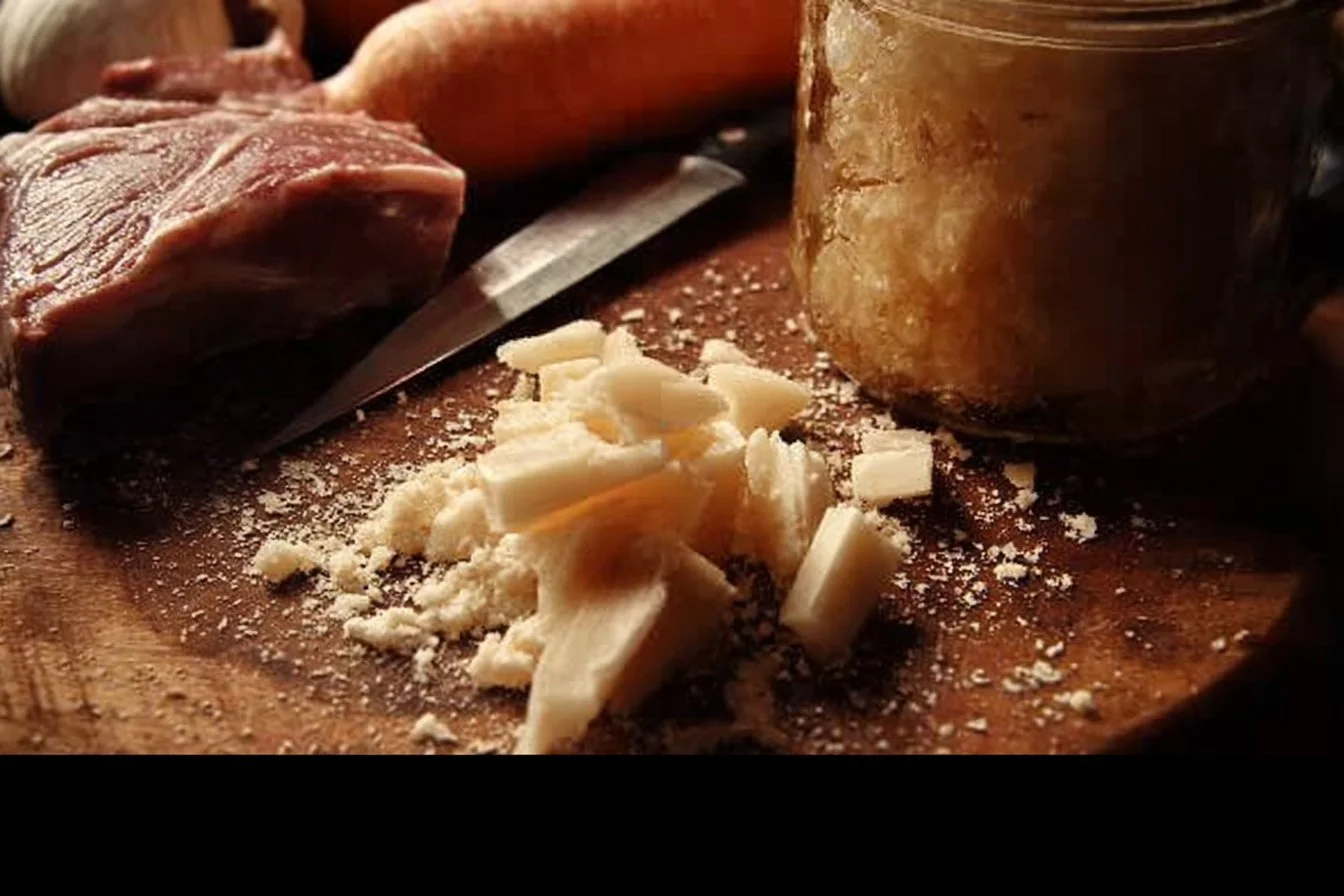

Beef Tallow
Ingredients
Method
- If your beef fat is frozen, thaw it for about 30 minutes.
- Cut the fat into 1-inch pieces with a chef’s knife.
- Add the beef fat and 1 cup of water to the slow cooker.
- Put the lid on, switch to high heat, and let it cook.
- Check after 30 to 60 minutes and optionally pulse with a hand blender to maximize yield.
- Stir occasionally and check the mixture after 2.5 hours for steady bubbling.
- Once the fat is clear with small bubbles (in about 5 hours), strain through a fine mesh strainer.
- Pour the clear tallow into mason jars and allow to cool completely before sealing.